
Going Global: How to Build an International Audience That Lasts
An artist can have listeners all over the world before they’ve ever played a show outside their home country. That’s one of the biggest changes in how music is released now. But having listeners in a country and actually building an audience there are two very different things.
It can be tempting to see international streaming numbers and immediately start thinking about how to target every market. In reality, most artists don’t have the budget or the team to do that properly. Trying to run campaigns across too many countries at once can mean you end up doing very little in any of them. A better approach is to look at where there’s already some interest, understand why it’s there and decide where it makes sense to invest.
Start with the markets already showing potential
The first step is understanding where the music is already connecting. Streaming data can be a useful starting point. Are there countries where the artist is performing particularly well? Are there specific cities where listeners are concentrated? Is there an audience engaging with the artist on social platforms or signing up to mailing lists? These signals can help identify the markets worth exploring further.
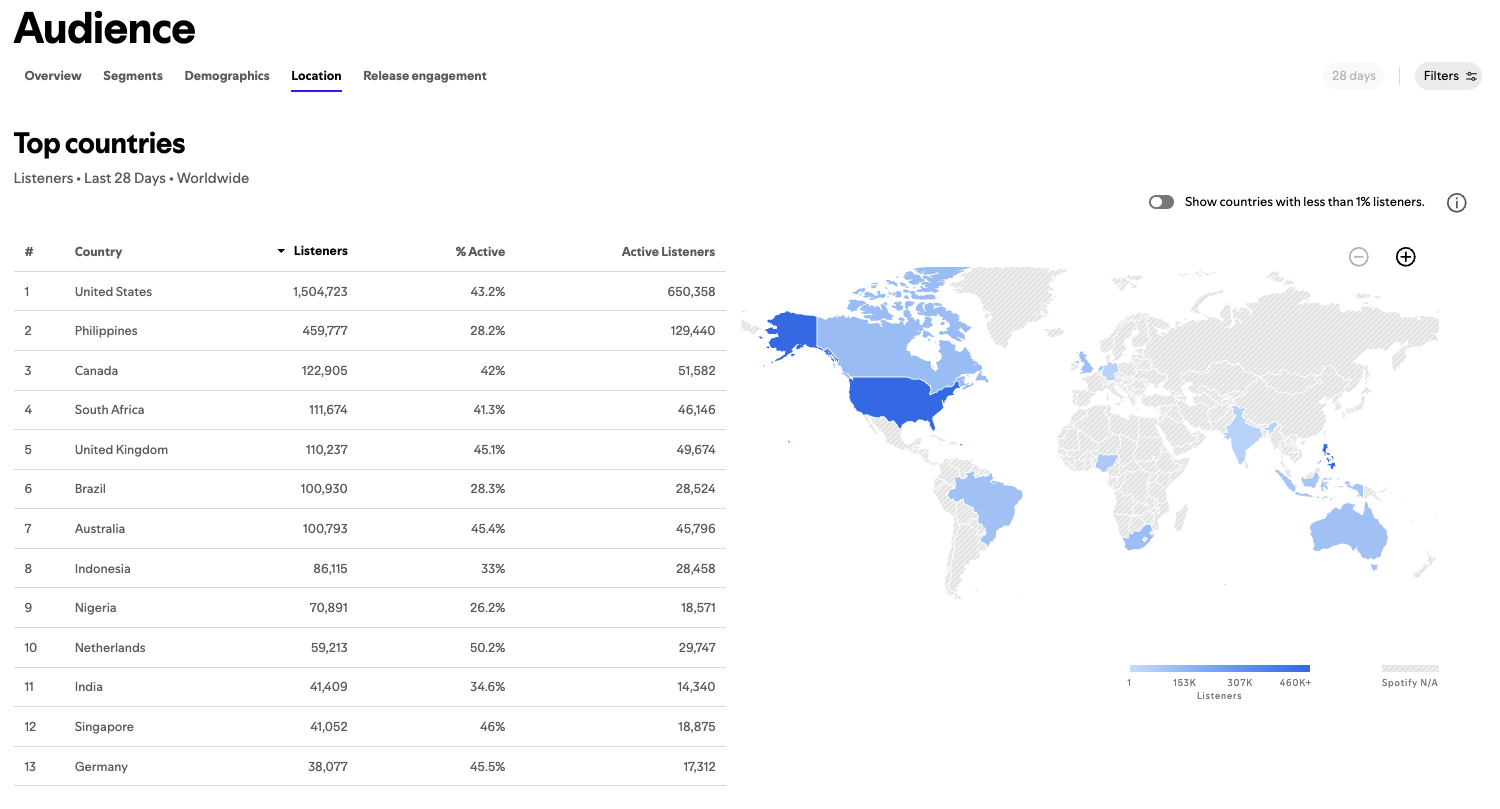
That doesn’t mean every country with a few thousand streams needs its own campaign. For an emerging artist, it can make much more sense to focus on two or three markets and put proper time and budget behind them. France, Germany and the Netherlands can be good places for emerging artists to explore, particularly where there is already an audience for the music and marketing activity can move relatively quickly. The important thing is not to choose markets simply because they look attractive on paper. Start with where there is already some energy!
Continue building the home market
Remember, going international shouldn’t mean putting the home market on hold. A strong domestic audience gives an artist a foundation, and international growth can happen alongside that. As the artist develops, activity in different territories can start to support each other. This is particularly true when it comes to touring.
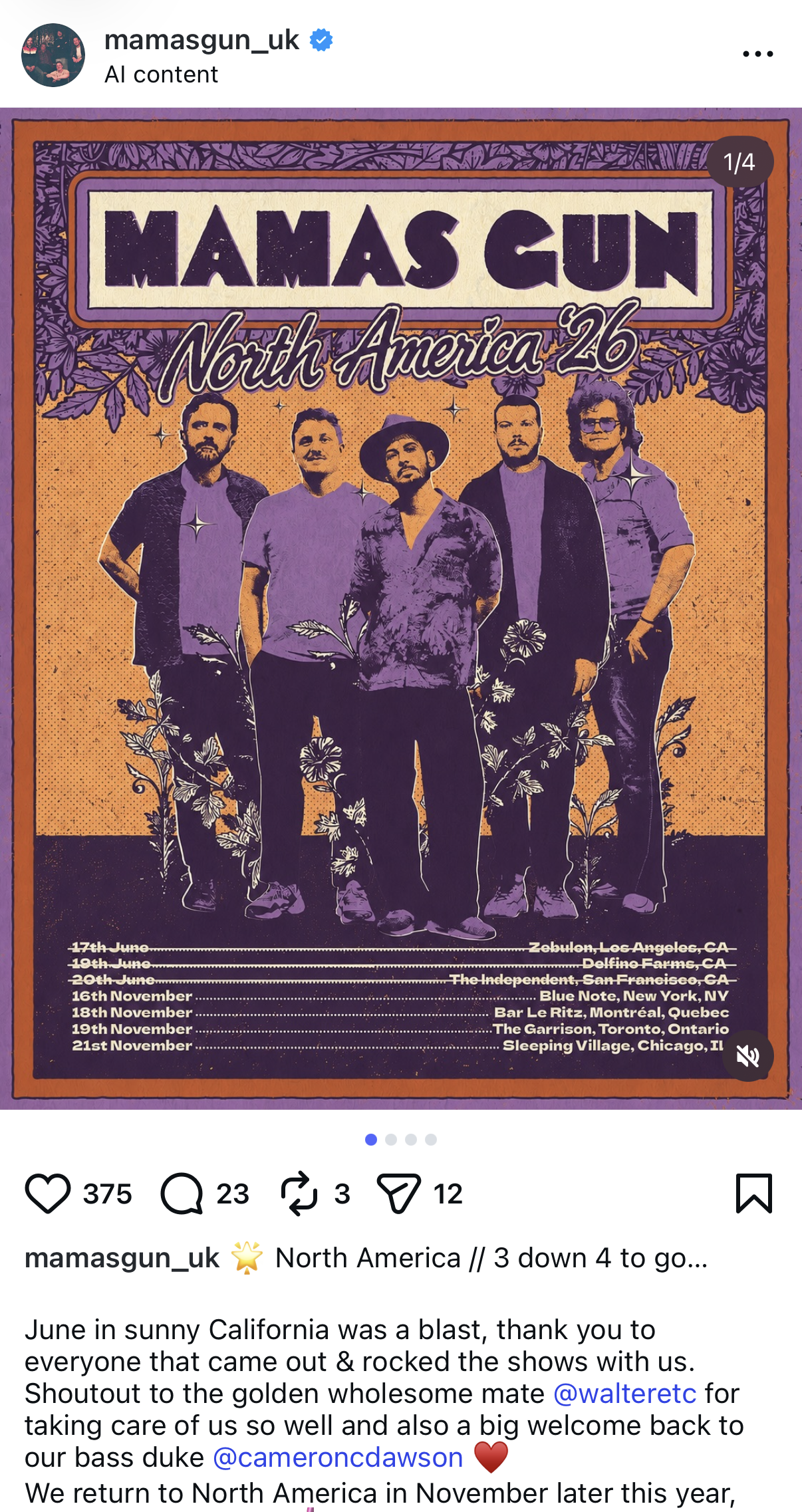
If an artist is starting to build an audience in a particular country, a support slot or small headline show can be a much better way of developing that audience than simply putting more money behind digital advertising. The live plan should therefore be considered as part of the international strategy, rather than something that happens afterwards.
Use live to turn listeners into fans
Streaming can tell you that people are listening. A live show can tell you whether they actually care. Supporting the right artist in a new territory can introduce an emerging act to an audience that already has some connection to their sound. Playing a small show in a city where the artist has a concentration of listeners can also help establish a much more direct relationship with those fans.
Live shows and touring can be particularly important when building a new market. A support slot, festival appearance or small headline show can help turn passive listeners into genuine fans, while also creating opportunities to build relationships with local promoters, venues and other artists.
If there is a particular town or city where an artist has a noticeable fanbase, having someone from the team on the ground can help build those relationships. Meeting fans, understanding the local scene and finding the right people to work with can be particularly valuable when there isn't a large marketing budget behind the campaign.
Make the campaign feel local
International campaigns need to think beyond simply translating existing creative. Small details can make a campaign feel much more relevant to the people seeing it.
For example, if you're running an ad in another language, it can be worth getting someone from that country to record the voiceover rather than using an English speaker. This can make the creative feel more natural and can also have an impact on advertising performance and CPC. The same applies to content more broadly. Different markets have different habits, so consider the platforms you use, the type of content you create and how you communicate with fans.
Local holidays, festivals and cultural moments can also provide opportunities to make a campaign feel more relevant. Working with local artists, creators or media can help an artist reach an audience in a way that feels more credible than simply running the same campaign from overseas. Localisation doesn't have to mean creating an entirely different campaign. Sometimes it's about making the existing campaign feel like it was made for that audience. Having someone who understands the market review creative before it goes live can help avoid small disconnects.
It’s also important to focus on the fans you can actually reach. When budgets are limited, first-party data such as mailing lists and direct fan relationships can help identify the people who are genuinely engaged, rather than relying entirely on platform metrics. A useful goal could be to build a core audience of 500 genuinely engaged fans in each priority market. They might become the people buying tickets, sharing releases, bringing friends to shows and buying merchandise. The aim is to keep growing that core over time.
Understand the market before investing
There is no single international strategy that works everywhere. Some markets have a strong appetite for international music, while others have particularly strong domestic scenes. Understanding that before spending heavily is important.
China is a good example. It has a large and rapidly growing domestic music market, with strong investment in local artists and repertoire. For an international artist, that means thinking carefully about the cost of entering the market and what a realistic route to building an audience there looks like. Japan offers a different set of opportunities. It remains the world's second-largest recorded music market and has a particularly strong physical music market, so international artists may need to think beyond streaming and consider products, physical releases and other ways of engaging fans.
These differences matter. A market might look impressive in terms of audience size, but that doesn't automatically mean it's the right market for a particular artist.
Follow the opportunity, not the map
The biggest mistake with international strategy is probably trying to do too much too soon. There are more opportunities than ever for artists to find audiences outside their home markets, but that doesn't mean they need to be active everywhere. It might start with one country. It might even start with one city. The important thing is to identify where people are already responding to the music, understand what is driving that interest and then decide whether there is a realistic opportunity to build on it.
Going global doesn't have to mean being everywhere. It’s about knowing where the audience is, investing where there is genuine potential and giving those markets enough attention to turn listeners into fans.