
Mis-Teeq’s Return Proves Great Catalogues Never Really Disappear
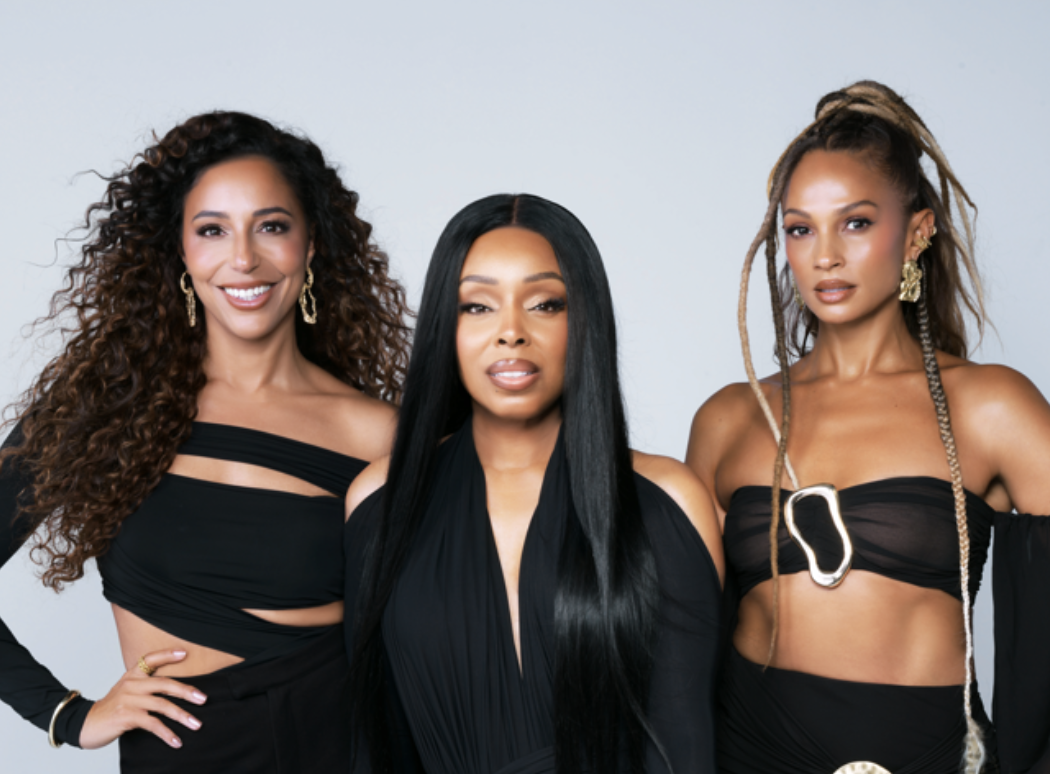
The return of UK garage and R&B icons Mis-Teeq has sparked a wave of nostalgia across UK music culture, with the group announcing a one-off London reunion show that immediately reignited interest in one of the most influential eras of British pop and garage crossover.
For many fans, the reunion is more than just a live comeback. It’s a reminder of how important Mis-Teeq’s catalogue remains over twenty years later. Long before streaming algorithms and TikTok trends, the trio were helping shape the sound of early 2000s UK music with records that effortlessly blended garage, R&B, pop and club culture into something distinctly British.
Tracks like Scandalous, One Night Stand, All I Want and Can’t Get It Back still feel surprisingly modern today. Their music captured a period where UK garage was crossing into the mainstream while retaining its underground energy and identity. At the same time, Mis-Teeq brought a level of style, charisma and crossover appeal that helped open doors for future generations of British female artists.
What makes moments like this particularly interesting from a catalogue perspective is how reunions often drive audiences back toward an artist’s existing body of work. Streaming spikes, renewed playlist activity, sync opportunities and social rediscovery all tend to follow. In today’s digital landscape, catalogue campaigns are no longer passive archives sitting in the background. They are living assets that can find entirely new audiences years after release.
A strong catalogue can continue generating cultural relevance long after an artist steps away from the spotlight. Whether through streaming, sync licensing, social trends or reunion moments like this, classic records constantly find new ways to connect with audiences.
Mis-Teeq’s comeback is another reminder that great music never really disappears. It simply waits for the right moment to return.