
Spotify’s Video Expansion: Pitching, Playlists, and DIY Uploads
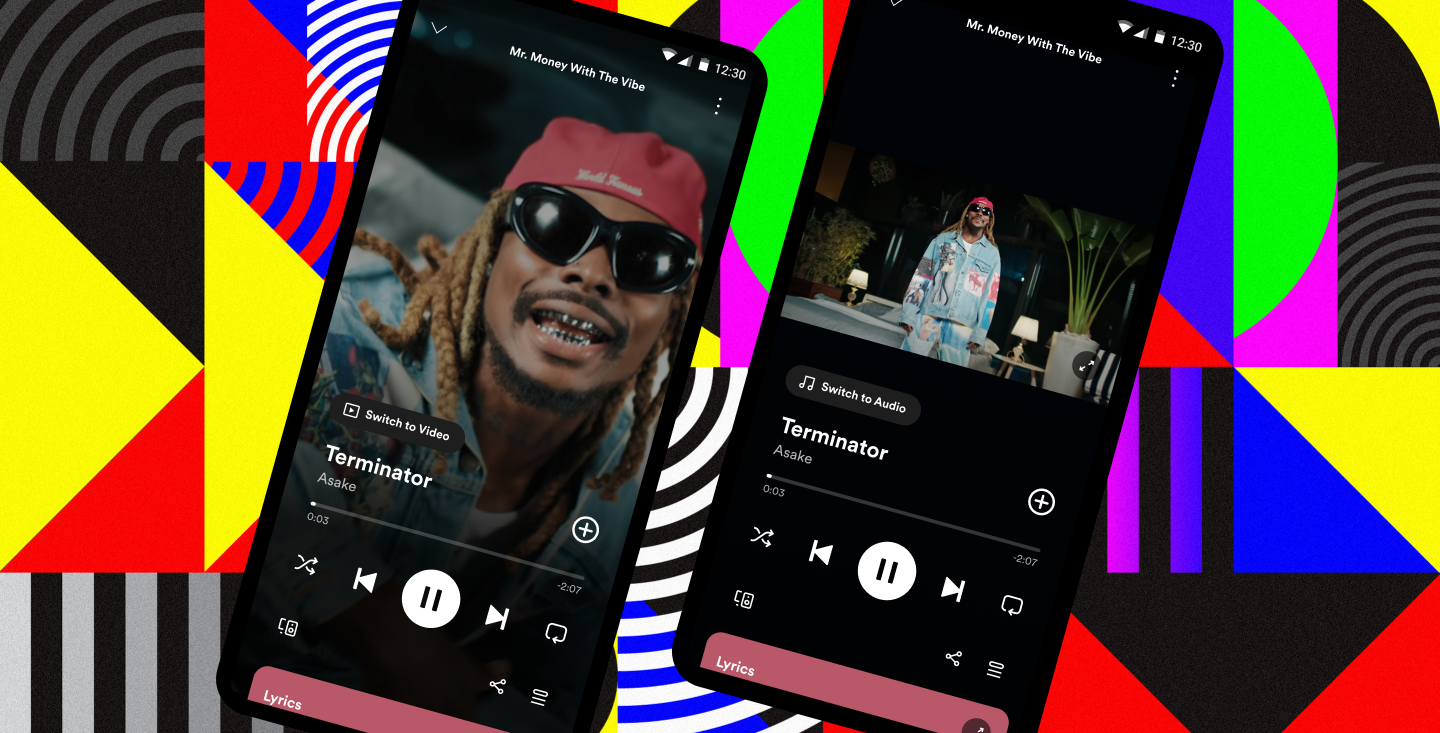
Spotify has expanded its full-length video upload Beta through Spotify for Artists (S4A), giving thousands of additional artists access to upload video content directly to the platform.
Invitations are being rolled out gradually by Spotify’s Artist and Label Partnership teams, so access remains firmly on Spotify’s terms. The expansion also introduces video availability for Premium users in Brazil and Taiwan.
Distributor delivery remains Spotify’s primary route for professionally managed audio and audiovisual releases - particularly where accurate delivery, rights management and quality assurance are valued.
Too good to be true?
Early adopters of the Beta have reported videos being blocked worldwide for containing music. Yes, really.
We had assumed music was a fairly essential part of a music video, but Spotify’s automated checks appear to be creating problems for some DIY uploads.
Perhaps anticipating these early teething issues, Spotify has reiterated that delivery through preferred distributors remains the primary route to market for professionally managed music videos.
Which videos can be uploaded?
Accepted
Official music videos
Live performances
Studio sessions
Acoustic performances
Cover performances
Not Accepted
Lyric videos
Visualisers
Multi-song concert videos
Videos without music
Clips*
Spotify recommends supplying videos in a landscape 16:9 format. For the full list of specs, visit our help article
*Spotify Clips are being retired
Whilst previously uploaded Clips will remain available, Spotify says the existing Clips section will gradually transition into the Video tab, which will house both full-length videos and previously uploaded Clips.
Pitching Music Videos
Alongside the expanded upload Beta, Spotify is also rolling out the ability for artists to pitch music videos for editorial consideration through Spotify for Artists. The feature will appear in the Video & Visuals section of S4A and allows eligible artists and teams to submit official music videos for consideration by Spotify's editorial team.
As with audio releases, it's recommended to submit your music video pitch around 2–3 weeks before the video's release date to give Spotify's editorial team enough time to review it. However, music videos benefit from a more flexible submission window, with eligible videos still able to be pitched for up to seven days after release.
Like the video upload Beta, this feature is still being rolled out gradually, so it may not yet be visible in every Spotify for Artists account. If you don't see the Visuals section or the option to pitch a music video yet, it should become available as the rollout continues.
Where will videos appear?
Uploaded videos may be shown across several areas of Spotify, including:
The artist profile’s Video tab
Release pages
The Now Playing view
Spotify’s homepage
Push notifications
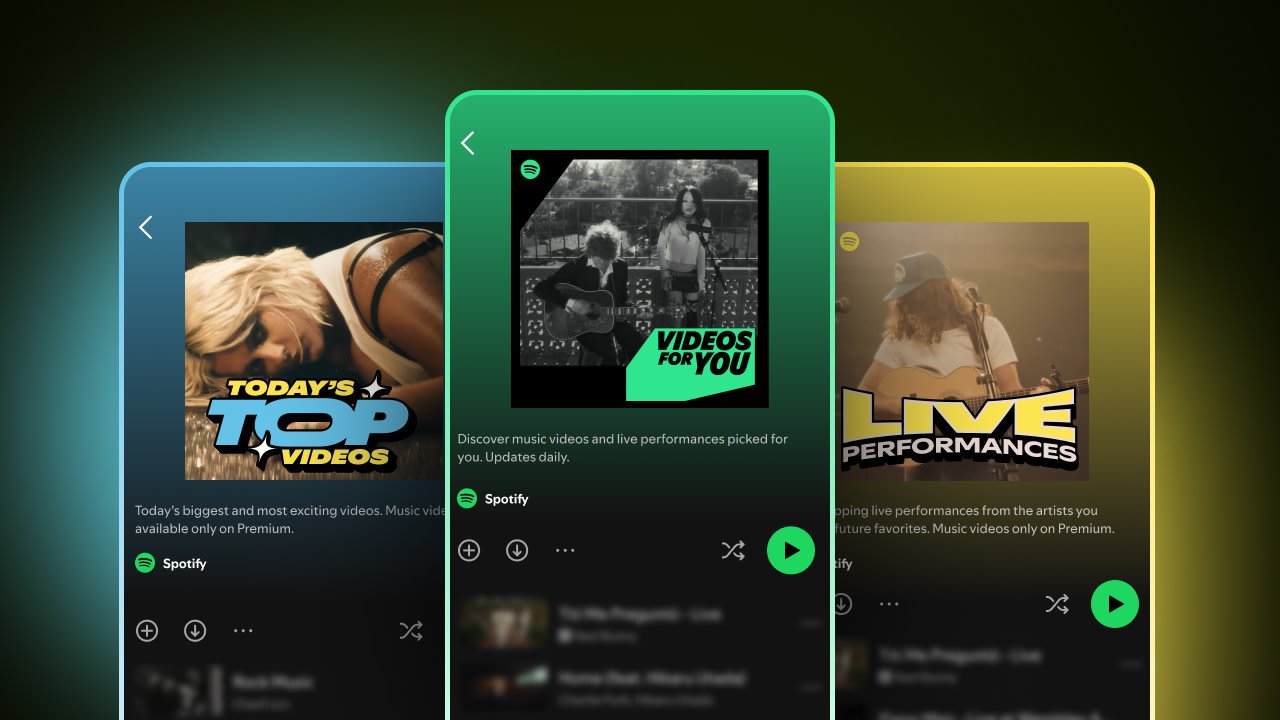
Personalised and editorial video playlists
Where a video contains audio identical to an existing track delivered to Spotify, listeners may also be able to move between the audio and video using the Switch to Video option in the Now Playing view.
Videos uploaded through Spotify for Artists will continue to appear in the Spotify Rights Center, allowing relevant rights holders to review and manage them.
Why is Spotify investing in video?
Spotify says listeners who watch a video subsequently stream the associated song 64% more often over the following three weeks, on average. It also reports that these listeners are 1.4 times more likely to save, share or playlist the track and listen to 57% more of the artist’s wider catalogue.
These figures indicate that video may support engagement, although results will vary by artist, release and audience.
What does this mean for artists and labels?
The Spotify for Artists Beta could offer a useful additional route to market in situations where distributor delivery is unavailable.
However, access remains limited and direct uploads places responsibility for preparing, supplying and managing the video with the artist or their team.
Distributor delivery remains the more suitable route for labels and artists who require coordinated release setup, technical validation, metadata management, rights oversight and delivery across multiple video platforms.